

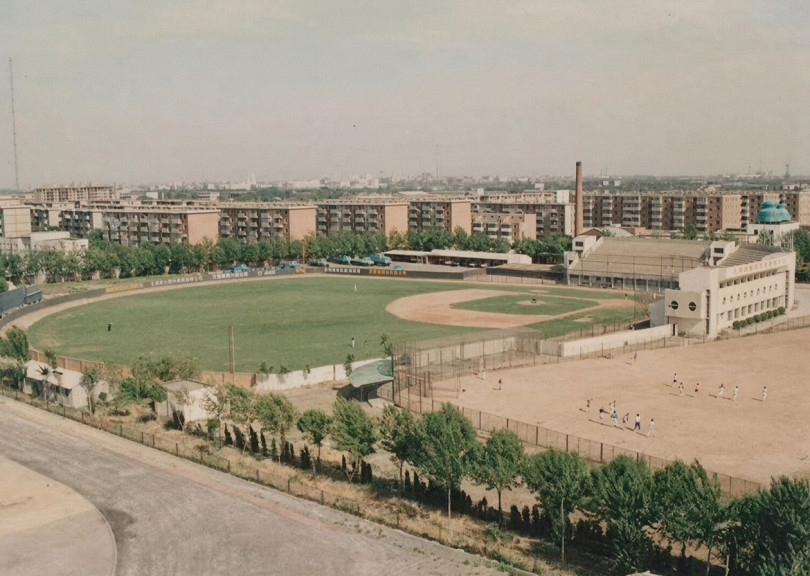
Dodger Baseball Field, the first field dedicated to the game of baseball in China, opened at Tianjin Institute of Physical Culture on September 12, 1986. The field, a gift from longtime Dodger President Peter O’Malley, was in constant use for three decades. The 2,500-seat grandstand was added in 1991.
Photo credit: Tianjin Municipal Archives
Tianjin, China’s Dodger Baseball Field Fondly Commemorated as Special Gift
Forty years ago in 1986, the first field dedicated for the game of baseball opened in the People’s Republic of China, a gift from longtime Dodger President Peter O’Malley.
The impact of that field is still appreciated and remembered to this day, and everything it represents in China’s development of youth, amateur and professional baseball.
O’Malley first traveled to China from February 14-16, 1980 meeting with leaders of the All-China Sports Federation. That was the beginning of his journey and friendship with high-ranking sports officials to learn what was going on there in baseball and how he could help. It was the start of friendships and O’Malley’s many trips to China. Over the years, O’Malley’s interest in providing assistance and exchanges continued.
During the 1984 Olympic Baseball tournament at Dodger Stadium, Los Angeles, O’Malley invited friends from China, including Li Menghua, Minister of Sports and one of the leaders of the nation’s governing body, and Wei Ming, President of the Chinese Baseball Association as well as in charge of all sports in Beijing, to meet with him. In December, 1984, O’Malley sent Dodger minor league manager Kevin Kennedy and scout Tim Johnson to China for two weeks to conduct a series of baseball instructional clinics in Kunming. Both Kennedy (Texas, Boston) and Johnson (Toronto) later managed in the major leagues.
In 1985, O’Malley made two important trips to China with great assistance from Cai Jizhou, Vice President, Chinese Baseball Association.
O’Malley and Bowie Kuhn, Major League Baseball Commissioner (1969-1984), were in Beijing from June 5-9, 1985 to watch an exhibition baseball game between New York’s C. W. Post College and Sichuan Province. The two discussed “ballpark planning” with Wei Ming. O’Malley returned in the fall to scout potential sites and finalize plans for a field dedicated to baseball.
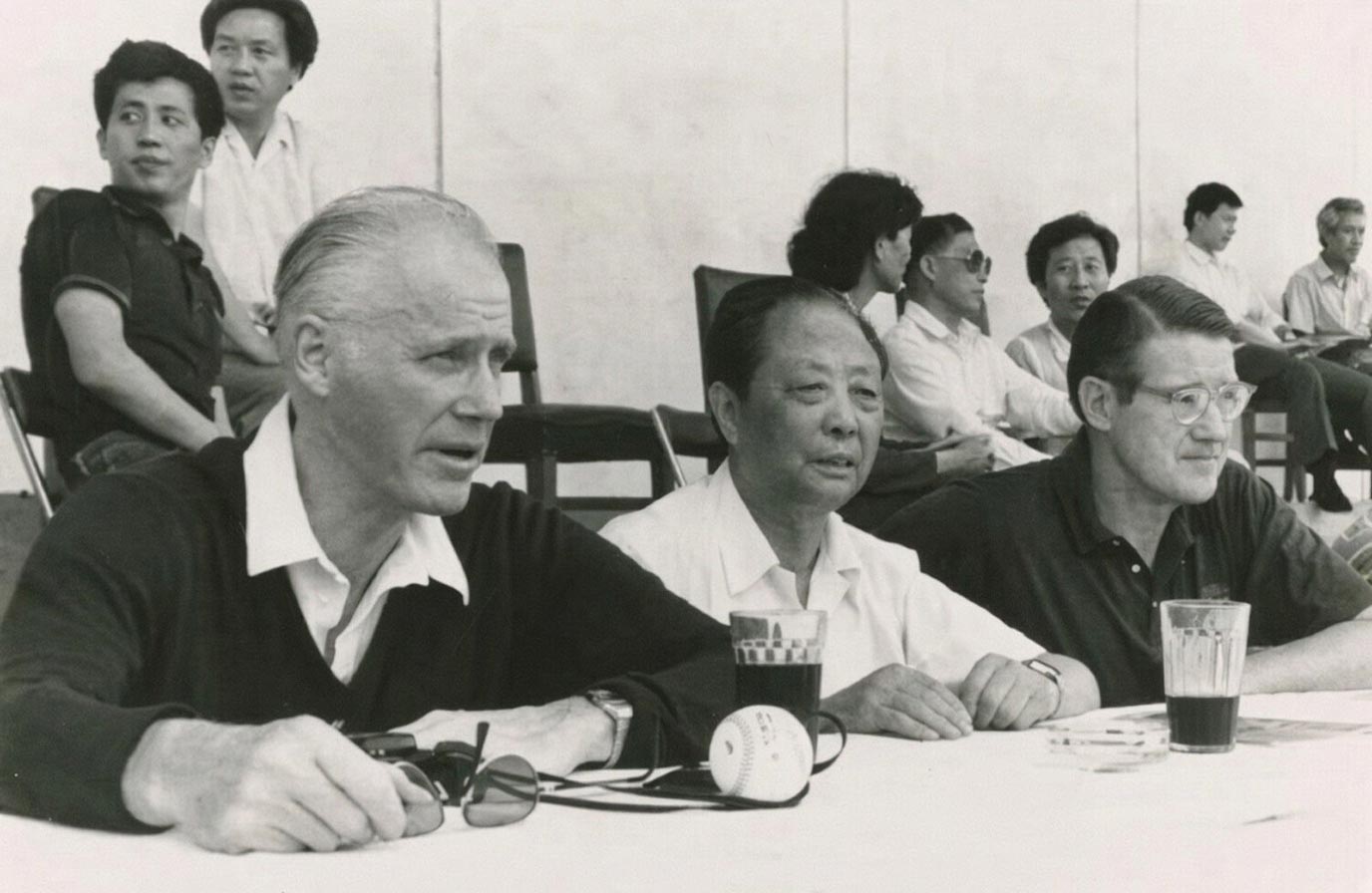
June 9, 1985, Beijing, China, (L-R): Bowie Kuhn, Major League Baseball Commissioner (1969-1984); Wei Ming; President, Chinese Baseball Association; and Peter O’Malley, longtime Dodger President. O’Malley, Wei and Kuhn watch an exhibition game between New York’s C.W. Post College and Sichuan Province. O’Malley was in the “ballpark planning” stage, which became China’s first field dedicated to baseball.
Photo credit: Tianjin Municipal Archives
In March, 1986, O’Malley welcomed three Chinese National baseball team coaches – Song Ping-Shang from Beijing, Sher Wei-Ji from Shanghai and Tu Ming-Hui from Sichuan – to Dodgertown, Vero Beach, Florida to observe Dodger Spring Training activities.
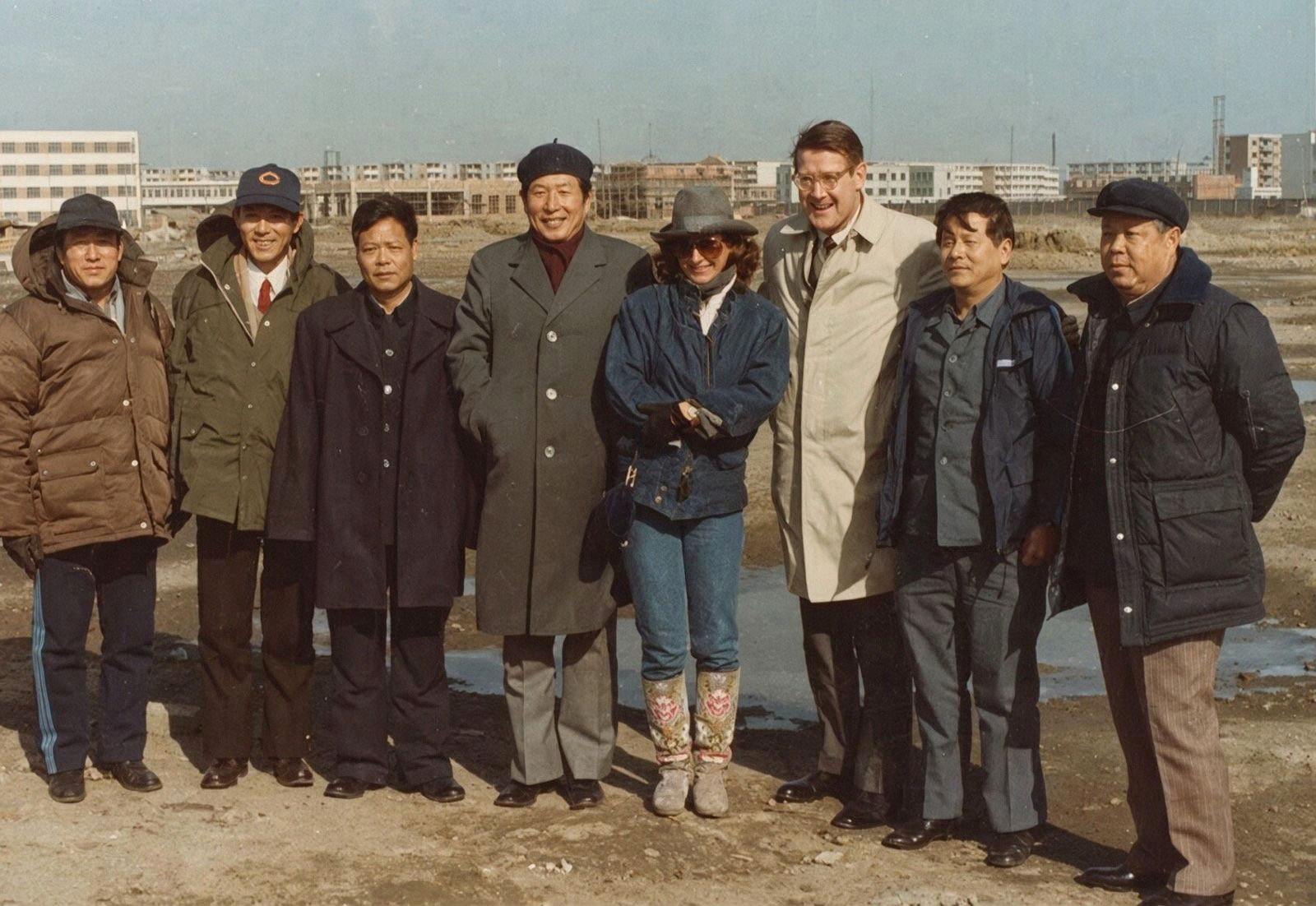
November 6, 1985, groundbreaking ceremonies for Dodger Baseball Field, privately built by Peter O’Malley at Tianjin Institute of Physical Culture in Tianjin, People’s Republic of China. (L-R): unidentified; Jia-Qi Chen, President, Tianjin Institute of Physical Culture; unidentified; Xie Lang, All-China Sports Federation; Annette O’Malley, wife of Peter O’Malley; Dodger President Peter O’Malley; Cai Jizhou, Vice President, Chinese Baseball Federation; Mr. Baiqing Sun’s staff member (on right).
Photo credit: Tianjin Municipal Archives
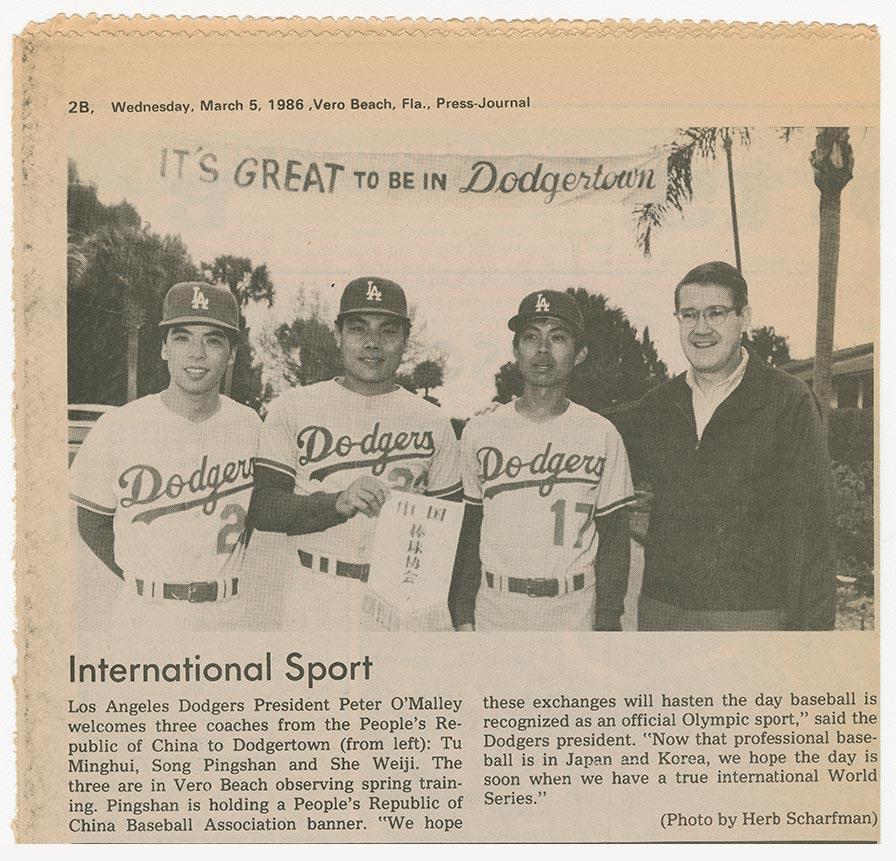
Clipping from the Vero Beach Press Journal, March 5, 1986, showing Dodger President Peter O’Malley greeting three coaches from the People’s Republic of China to Dodgertown, Vero Beach, Florida to observe spring training activities and learn from coaches of the Dodgers.
O’Malley’s remarks during dedication ceremonies on September 12, 1986 at Tianjin Institute of Physical Culture: “The field is more beautiful than I imagined and I am grateful to the faculty and students for their contribution. The field is yours! My wish to the players is that they enjoy playing baseball here for many years. My wish to the spectators is that this field gives you many hours of entertainment. It is now my dream that this Dodger Baseball Field will enhance both the growth of baseball here and the friendship between the United States and the People’s Republic of China.”
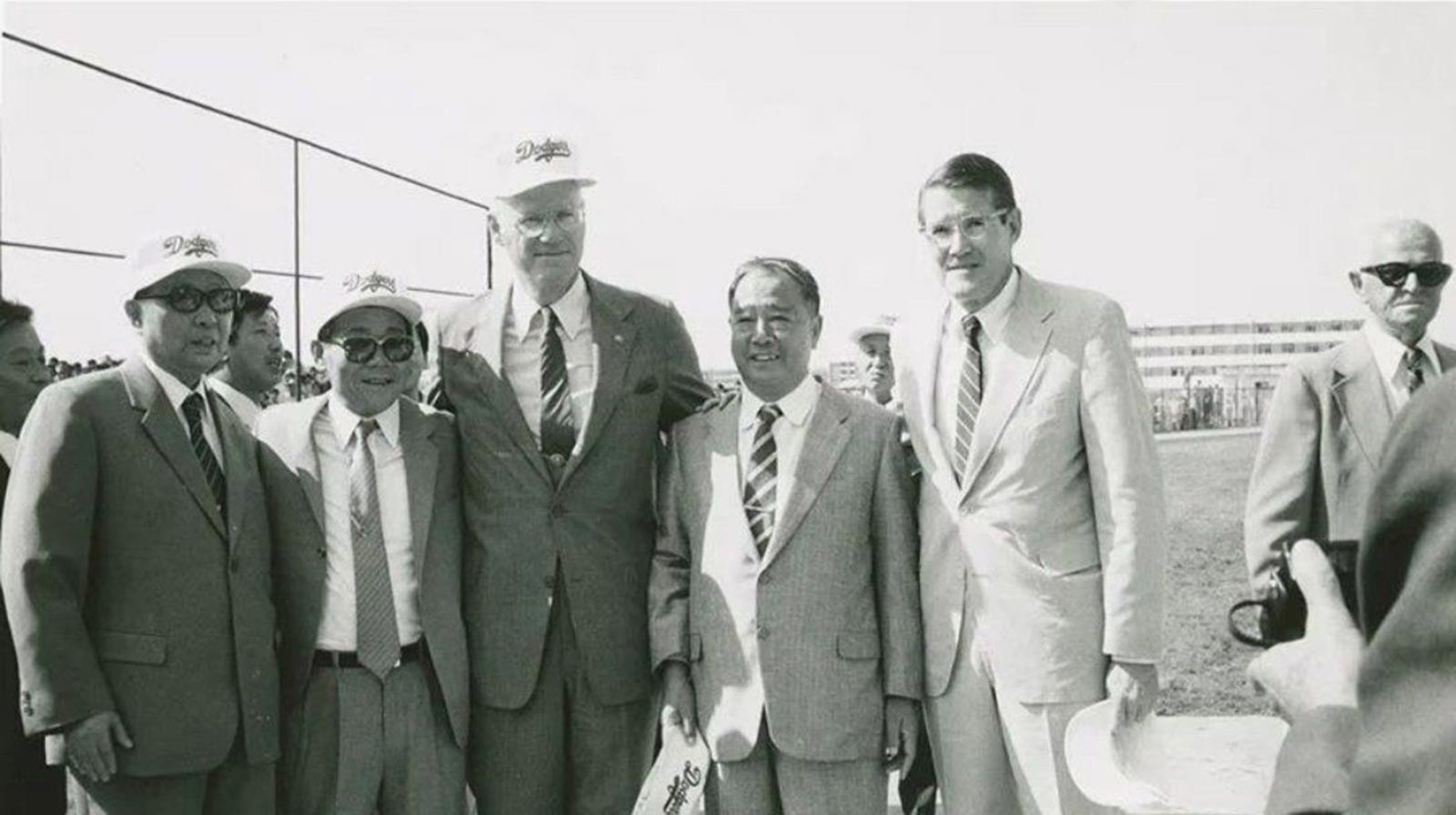
September 12, 1986, dedication ceremonies for Dodger Baseball Field at Tianjin Institute of Physical Culture, TIanjin, People’s Republic of China. (L-R): Jia-Qi Chen, President of Tianjin Institute of Physical Culture; Li Ruihuan, Mayor of Tianjin; Bowie Kuhn, Major League Baseball Commissioner (1968-1984); Li Menghua, minister of sport, People’s Republic of China; Dodger President Peter O’Malley; and Harry Bardt, member, Dodger Board of Directors.
Photo credit: Tianjin Municipal Archives
Dodger Baseball Field in Tianjin was in constant operation from 1986 for three decades and was used for professional, amateur and youth baseball teams and leagues, fulfilling O’Malley’s vision for growth and development.
The current status of Dodger Baseball Field (as of Fall, 2026) since it was retired is provided by Caleb Liu, Tianjin sports historian.

A 2019 aerial view of the old Tianjin University of Sport campus taken by Wang Yan, one of Tianjin’s best-known photographers. It shows the whole old campus, including the baseball field, and how dense the neighborhood around it had become by then. There was no open land left for parking, and no subway line served the area at the time.
Photo by Wang Yan. All Rights Reserved.
“The field hasn’t been forgotten,” Liu reports.
“Back in 1986 the site sat near the edge of the city. Today it’s one of Tianjin’s busiest, most congested neighborhoods, which made it less suited to baseball. At the end of 2017, Tianjin University of Sport moved 14 miles to a new much larger campus with modern, international-standard competition venues, and the old campus became a residential community.”
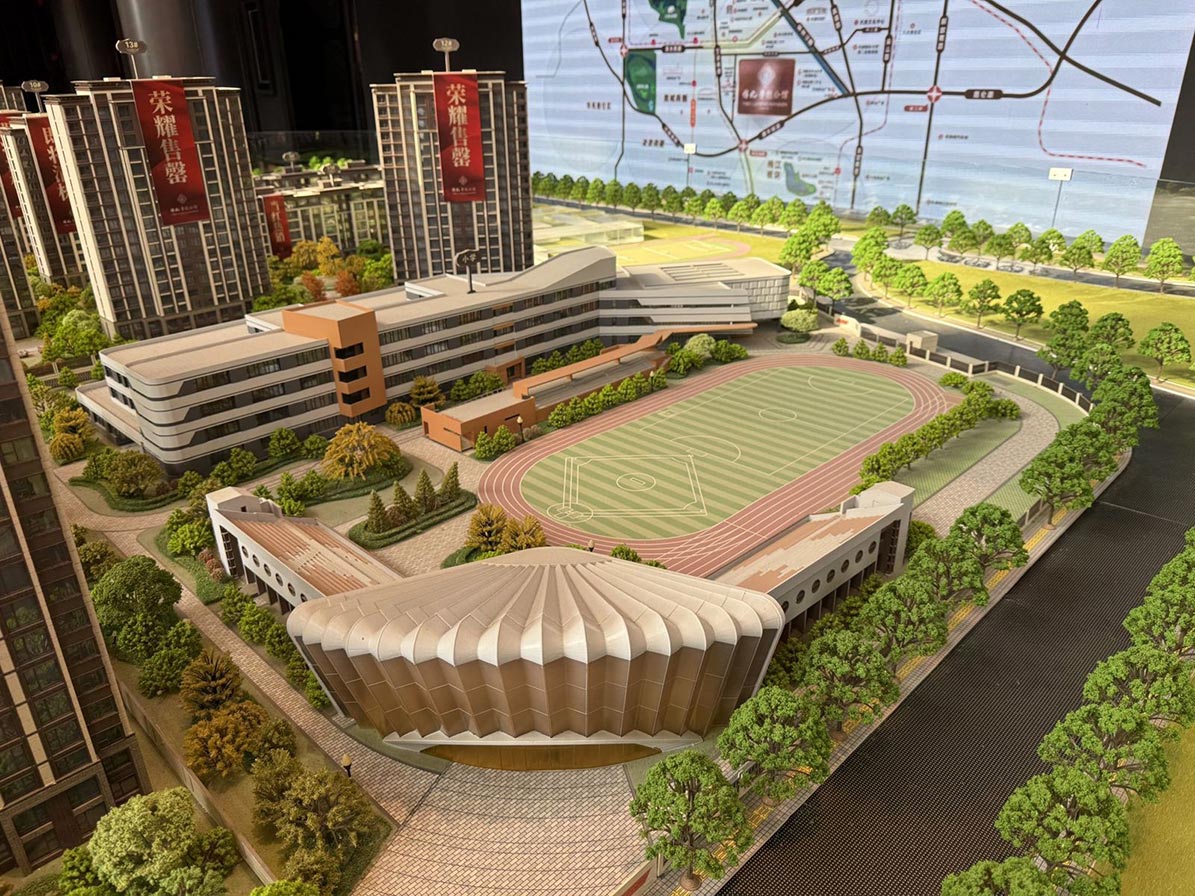
The real estate sales center’s scale model: Dodger Baseball Field is now the school’s playground; infield lines can still be seen on site.
Photo by Caleb Liu, Tianjin, China, 2026
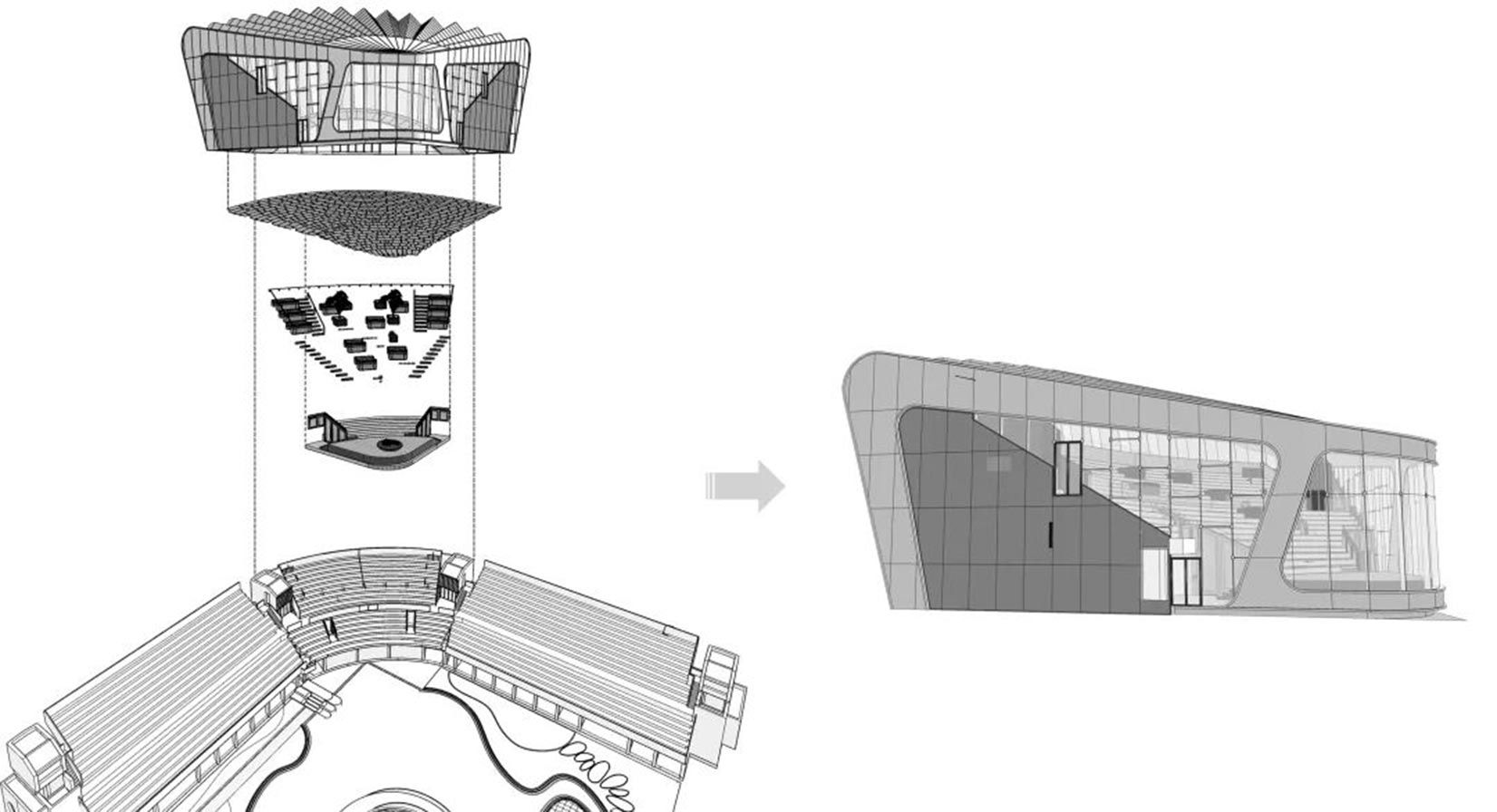
Design diagram for the 2021 renovation of the former Dodger Baseball Field grandstand: a new crown-shaped aluminum-and-glass volume is set over the preserved 1991 grandstand (left, exploded view; right, completed elevation).
Courtesy of Tianjin Architecture Design Institute Co., Ltd., Design Institute No. 3.
A new project called “Tibei Luneng Mansion” began in 2020. According to Liu, “Tibei” means north of the Institute of Physical Culture. Currently, the Donghu Campus of Hexi District Central Primary School sits next to the old grandstand of the original baseball field. The school’s playground is where Dodger Baseball Field once stood. A real estate sales center and coffee bar occupy the preserved grandstand building itself, which is separate from the school, which uses its own building next to it. Liu reports, “Architects deliberately designed the school playground along the outline of the old baseball field, so people would remember a ballpark once stood there. The idea had the support of both the local government and the public.
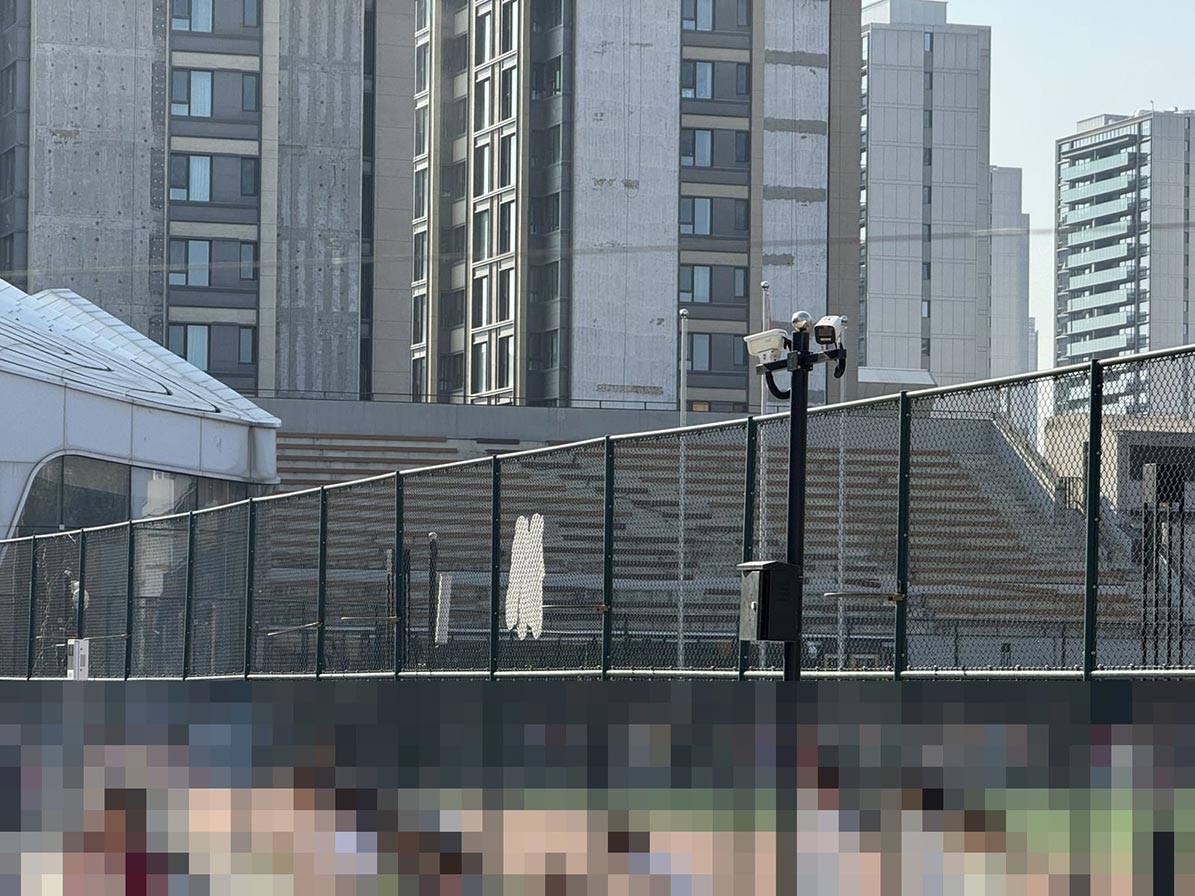
The school playground today, with the original stand seating behind the fence. The playground is where Dodger Baseball Field was used for three decades. Students pixelated to protect their likeness.
Photo by Caleb Liu, Tianjin, China, 2026
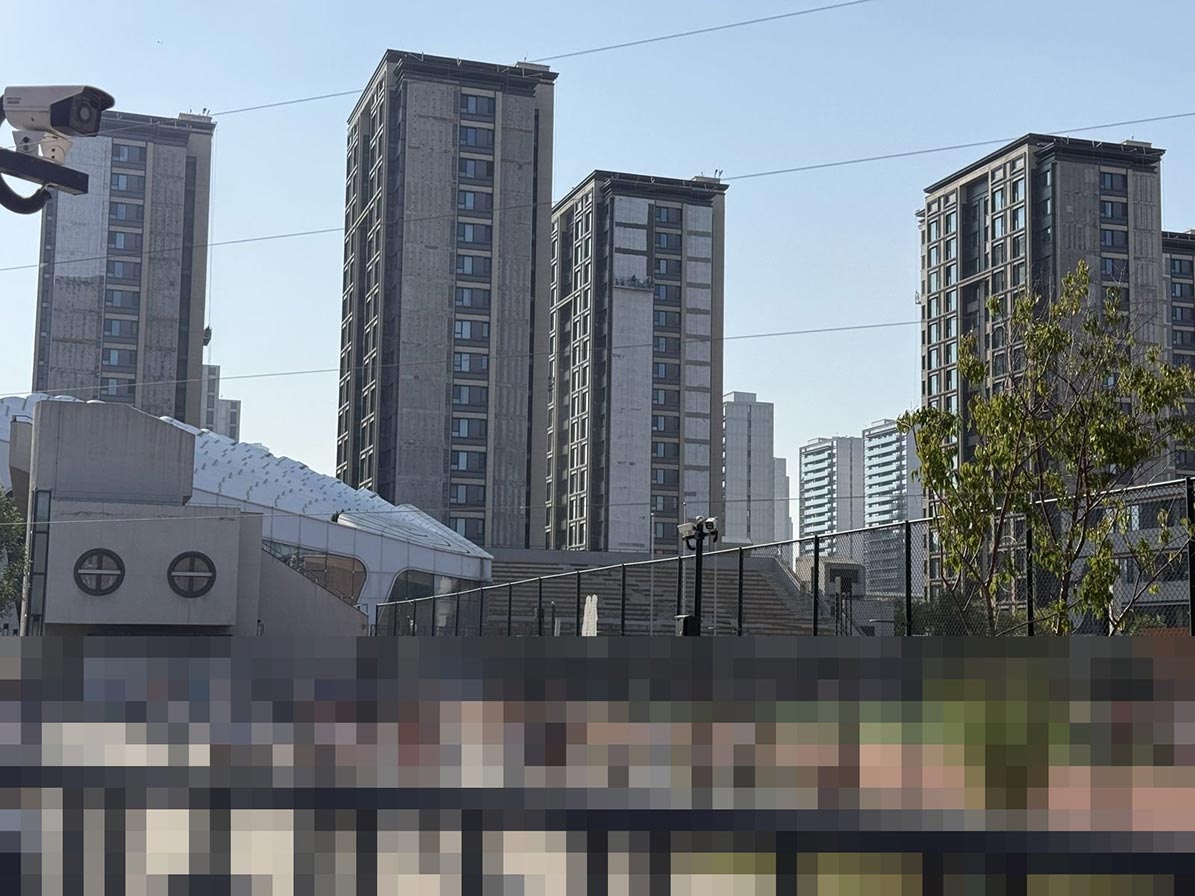
On the school grounds: a retained wing with its round windows, the crown roof, and the original grandstand, with the new residential towers behind. The school’s playground is where Dodger Baseball Field was in constant use for three decades beginning in 1986. Students have been pixelated to protect their likeness.
Photo by Caleb Liu, Tianjin, China, 2026
“Peter’s friendship with Tianjin is also one of the most treasured parts of the university’s history museum. And the field turned out to be a seed. Since the Chinese Baseball League went professional (in 2002), Tianjin has won six league championships and finished runner-up four times, and it has won four National Games titles (held every four years). Trace those results back, and you find Peter O’Malley and the seed he planted.
“The renovation was designed by the Tianjin Architecture Design Institute. Architectural write-ups on the project say that part of the original grandstand and some of the interior structures were preserved intact inside the new building.”
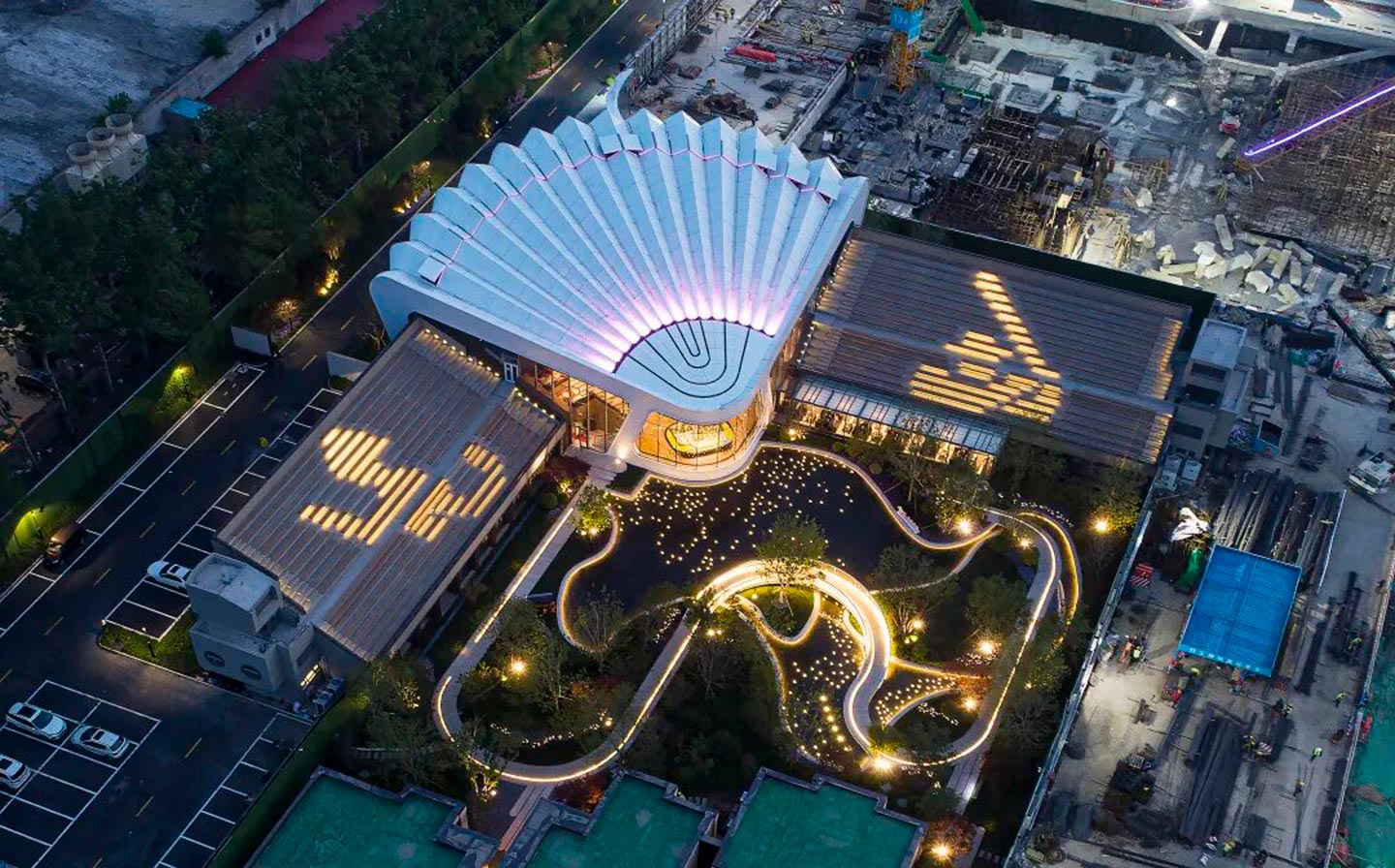
Night aerial shows the sales center when it was first completed and opened for the property launch. The landscape garden in front of it was a temporary display; at that time construction of the primary school campus had not yet begun. The garden was later replaced by the school and its playground. Photo by Tianjin Architecture Design Institute Co., Ltd., Design Institute No. 3 (official account, project introduction). Real photo enhanced with computer-added atmosphere and lighting.
Indeed, the 2,500-seat grandstand, added to Dodger Baseball Field for the 16th Asian Baseball Championship in 1991, was preserved and renovated as part of the new building, another reminder of what once was on that land and its importance to the growth of baseball in China.
Also in 1991, a granite marker was placed outside the grandstand with a bilingual explanation that the field was donated by Dodger President Peter O’Malley, covered 50,000 square meters and was first in use September, 1986 and seating for 2,500 was added in 1991.
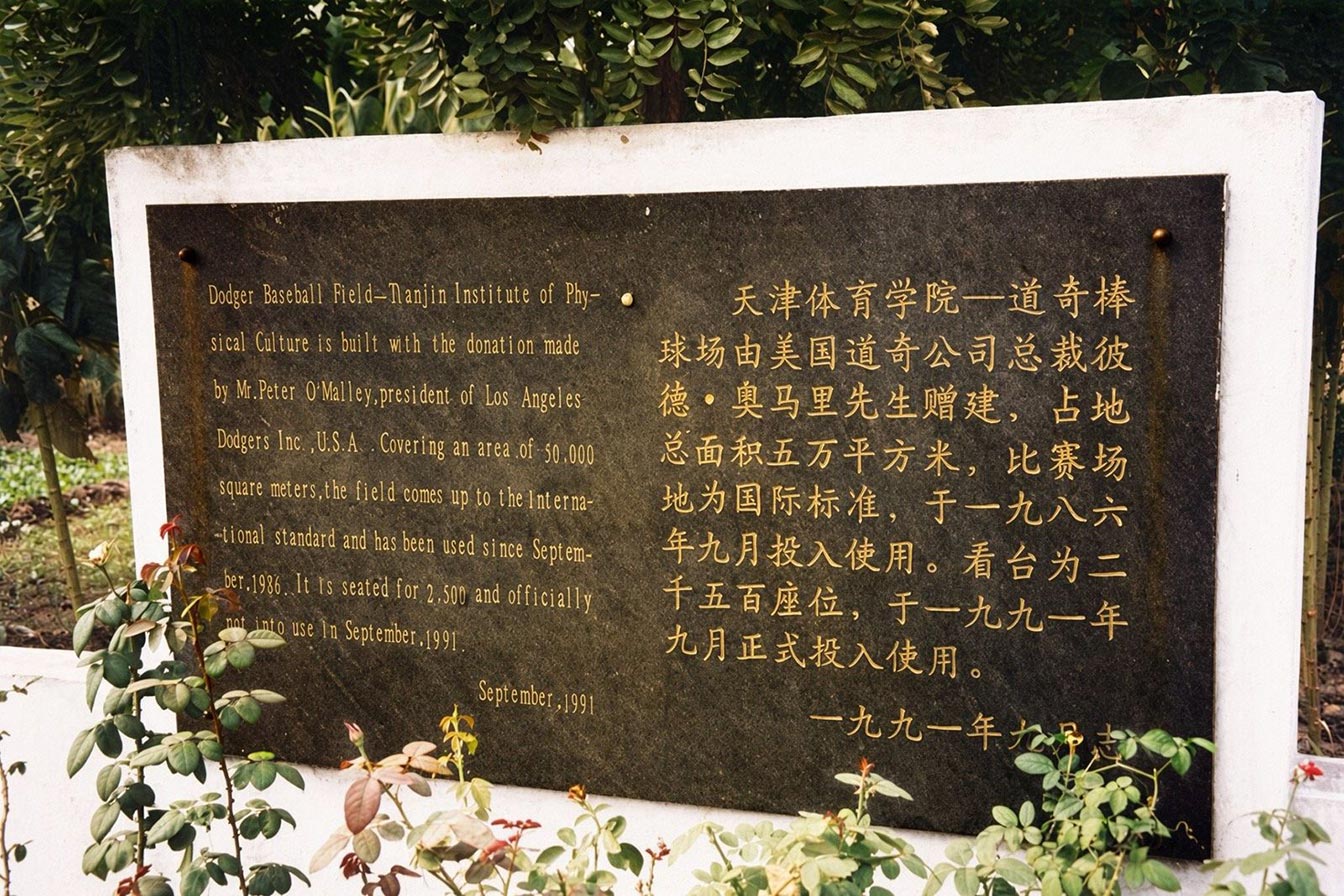
A granite marker at the Tianjin Institute of Physical Culture, Tianjin, People’s Republic of China was added in 1991 to commemorate Dodger Baseball Field privately built by longtime Dodger President Peter O’Malley and opened in 1986.
Photo credit: Tianjin Municipal Archives
Liu also wrote in a post on X, “The original grandstand and both wings are still standing, round windows and all. A crown-shaped glass facade now wraps the main entrance; the architects say it honors the Lions' championship years. The entrance is a real estate sales center now. Above its coffee bar hangs a batter in mid-swing, made from hundreds of yellow, baseball-sized balls. The building has a new purpose, but the designers kept baseball in it.”
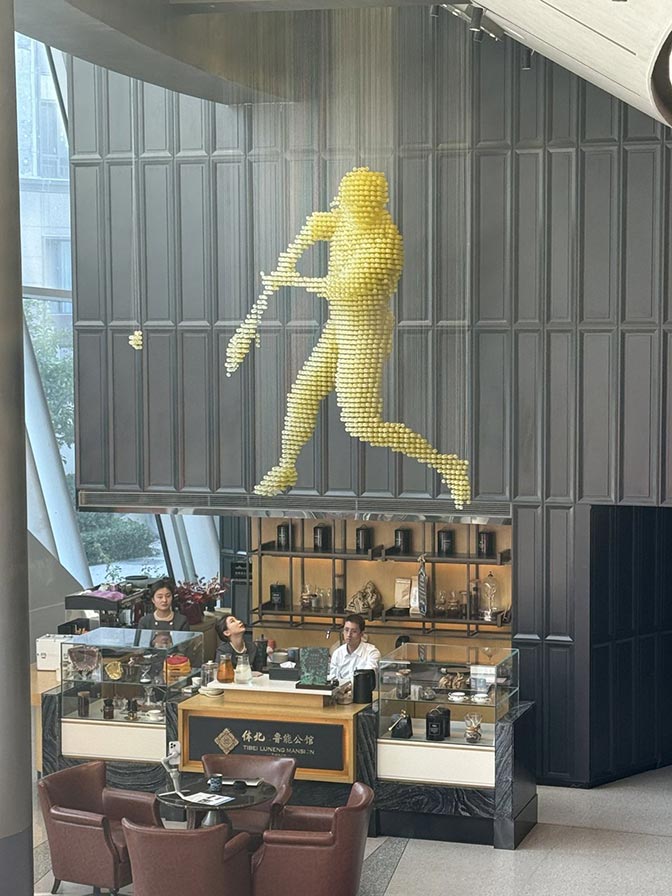
Inside the Tibei Luneng Mansion sales center, history of the site is commemorated with a batter swinging, made of hundreds of baseball-sized balls.
Photo by Caleb Liu, Tianjin, China, 2026
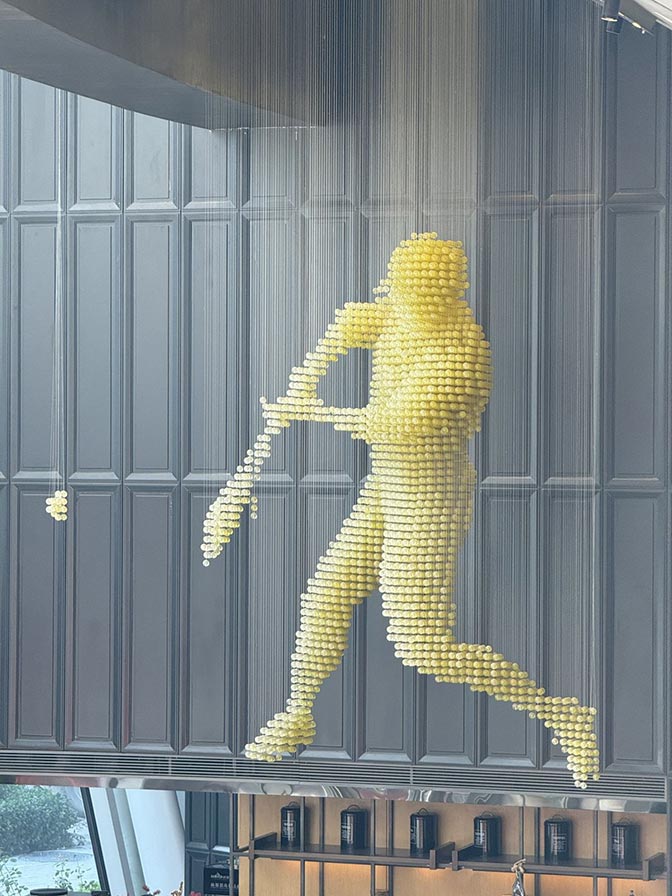
Close-up of a batter in mid-swing, made of hundreds of baseball-sized balls, hangs above the coffee bar inside the sales center for Tibei Luneng Mansion.
Photo by Caleb Liu, Tianjin, China, 2026
That’s the history and current status of Dodger Baseball Field and we are grateful for Liu’s research.
Thirty-five years ago, on September 12, 1991, The People’s Government of Tianjin bestowed a rare honor at the time, naming Peter O’Malley an “Honorary Citizen” with a scroll stating, “It is a great honor to Confer the title ‘Honorary Citizen of Tianjin of the People’s Republic of China’ on Mr. O’Malley, president of Los Angeles Dodgers, Inc. U.S.A.”
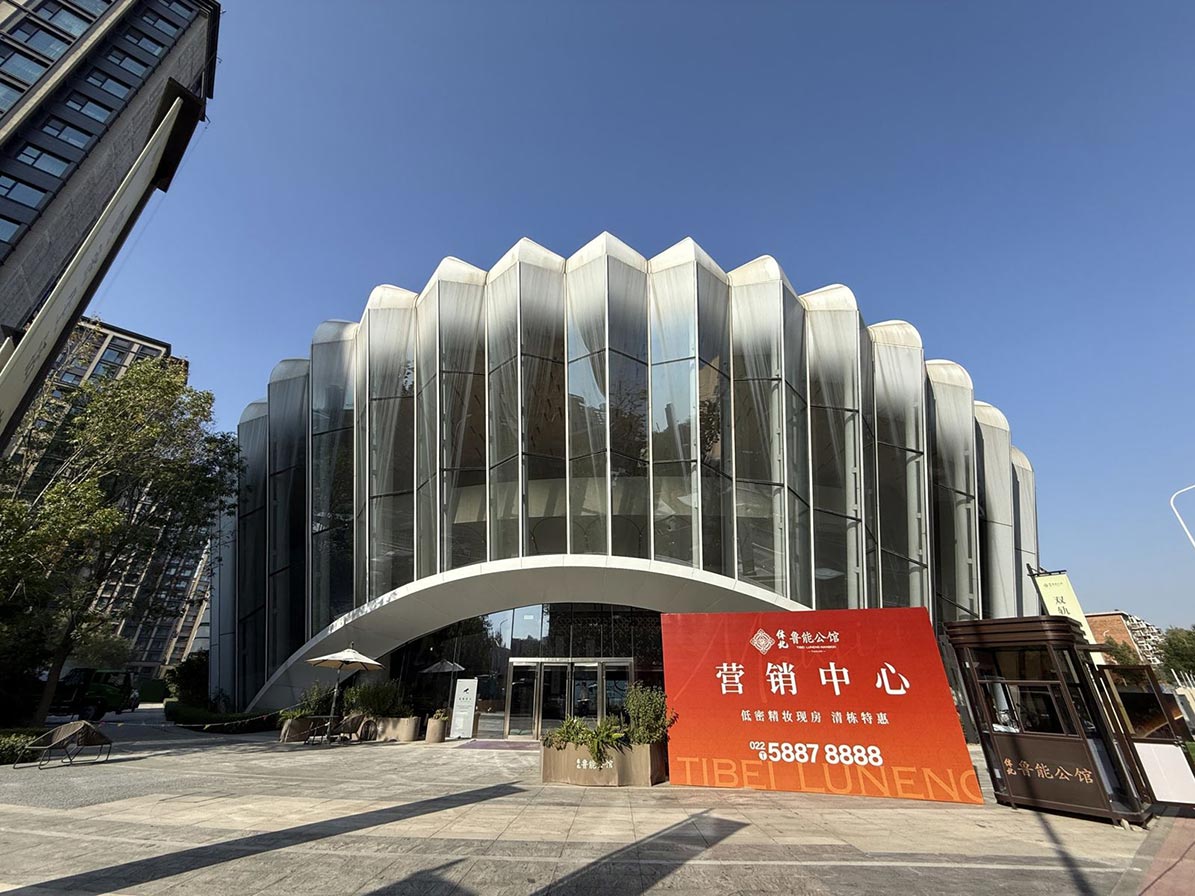
The new crown-shaped glass facade over the original main entrance, now the sales center for Tibei Luneng Mansion. According to the architects’ project introduction, the crown honors Dodger Baseball Field’s glory years when the Tianjin Lions won several national championships.
Photo by Caleb Liu, Tianjin, China, 2026
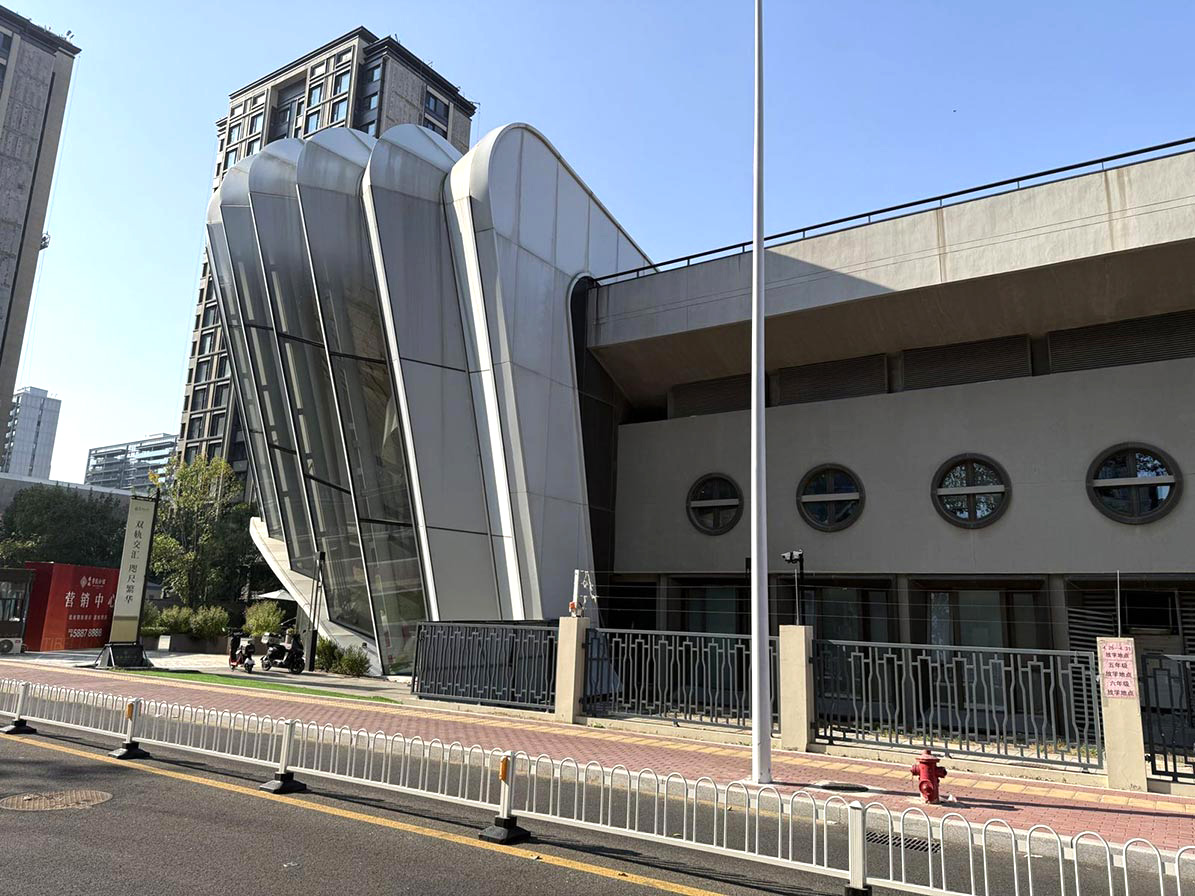
The crown facade joined to a retained wing of the original grandstand of Dodger Baseball Field.
Photo by Caleb Liu, Tianjin, China, 2026
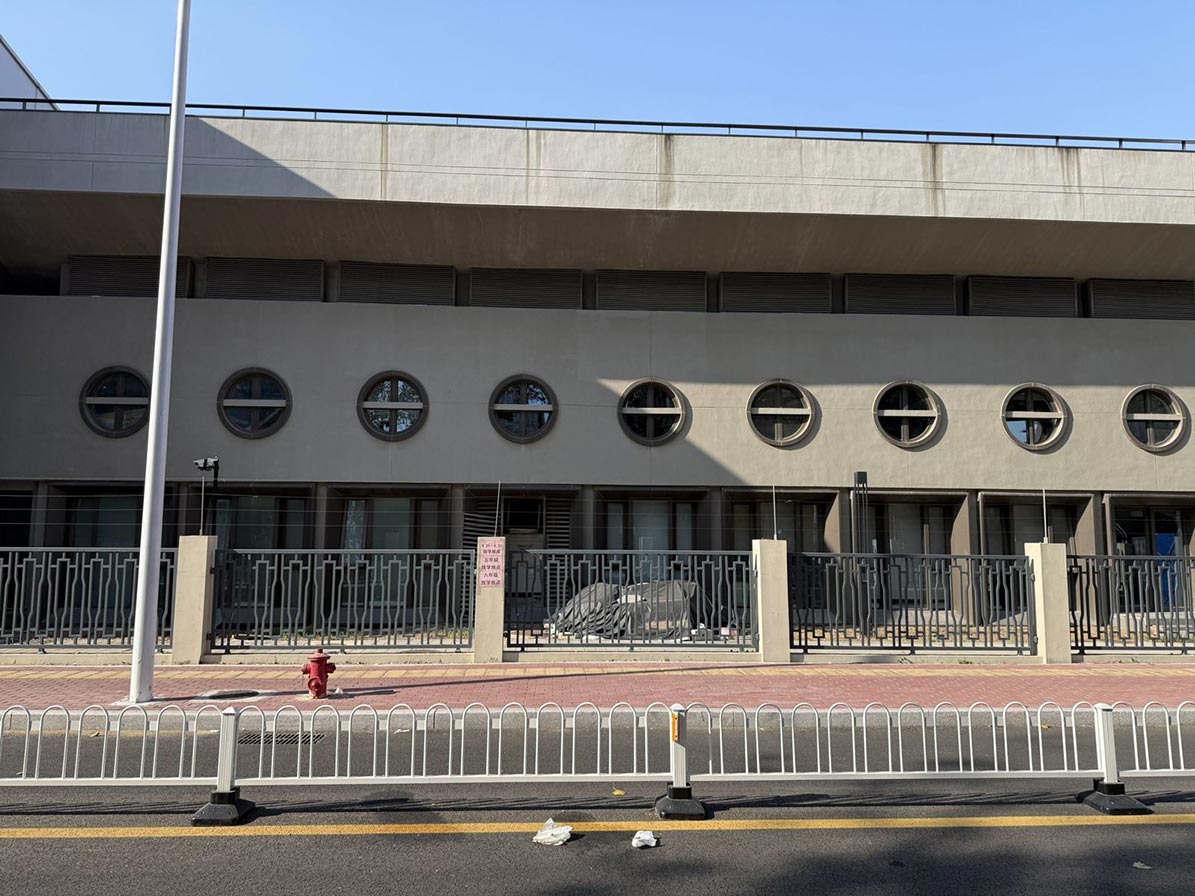
A retained wing of Dodger Baseball Field with its original round windows, renovated on the outside.
Photo by Caleb Liu, Tianjin, China, 2026
“The field was appreciated upon opening and successfully used and enjoyed by players and fans,” said O’Malley. “The thoughtful planning of the new setting is absolutely beautiful and I look forward to returning to Tianjin University of Sport in the near future.”
-- Brent Shyer